


- Investing
After two years of rapid price increases, the conflict in Iran has seen gold prices fall notably. With the metal struggling, we look at what drives its performance, and how SJP views it as an asset class.
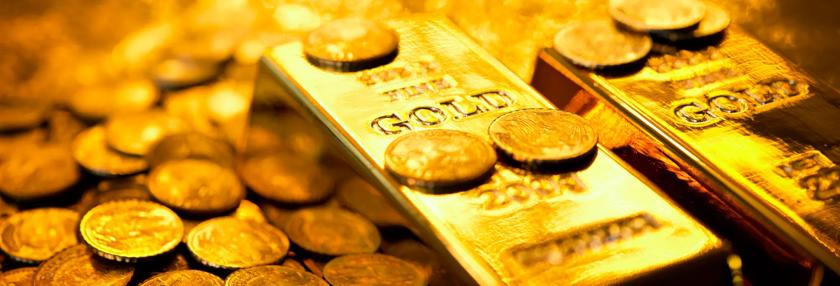
At a glance
- Gold has been a key store of wealth for thousands of years.
- After reaching historic highs at the start of 2026, gold prices have fallen sharply since the Iran war began.
- There are other assets that can fill defensive or momentum-based requirements within a portfolio.
In Eastern Bulgaria, there is an ancient burial site known as the Varna Necropolis that dates to the fifth millennium BCE. Only discovered in the 1970s, it soon became clear that this site was home to what many consider to be the oldest examples of gold treasure and jewellery ever discovered.
In the intervening millennia, countless wars have been fought, empires forged and kingdoms lost in the pursuit of the precious metal.
What is most remarkable about all this is that, for most of this time, gold didn’t have much practical use other than being shiny, inert and relatively rare. Its inert quality made it an ideal store of wealth, while its rarity, looks and malleable nature made it practical for jewellery and turning into coins. Even today, these qualities make it an attractive store of wealth for many.
The recent gold rush
While gold is often seen as a safe haven asset, history shows this isn’t always the case. Gold prices went on a decade-long bull run in the 1970s, as investors used it as a safety net during the prolonged period of stagflation. Nothing lasts forever, and as inflation fell and the dollar strengthened over the 1980s, gold’s fortunes reversed, plummeting over the decade. What followed was a difficult period for gold. It remained below its 1981 prices until 2007, in nominal terms.
More recent years have seen something of a gold rush. From just north of $2,000 per ounce at the start of 2024, gold peaked at over $5,000 per ounce at the start of 2026.
Why? Inflationary pressures and less confidence in the dollar (largely based on an unpredictable US foreign policy) saw investors and central bankers alike seek traditional safe havens for their wealth and gold seemed to fit the bill.
In addition, falling interest rates supported gold prices. Lower interest rates reduce the opportunity cost of holding assets that don’t generate income.
However, while returns in this period were stellar, two years’ performance is barely a blip on the scale for an asset as old as gold. And the metal’s performance in March this year highlight the risks of gold as an asset class.
A crack in the armour?
The past month has seen prices drop significantly from earlier highs. The Iran war has changed the geopolitical environment. With inflationary pressures increasing, interest rates look set to rise. The rising price of oil and gas, combined with a general struggle in equities and fixed income markets have seen investors return to the dollar for safety. As mentioned, the price of gold is strongly affected by confidence in the dollar and interest rates. With gold at historical highs prior to the war, it was to be expected that prices would face pressure after the conflict began.
However, while it might have dropped (gold prices are currently around 10% below pre-war levels), even a cursory glance at the price of gold shows it remains well above typical prices. Hovering around $4,700 at the time of writing, it remains more than double compared to two years ago, even after recent falls.
Position in a portfolio
So, is gold still expensive? Part of the challenge with investing in gold is establishing a basis for intrinsic value. This is one of the reasons SJP does not currently invest in the asset class.
Additionally, as Hamish Gibberd, Multi Asset Portfolio Manager at SJP says: “Despite its reputation, gold is not low risk. Since 2000, its volatility in
GBP terms has been about 15%, similar to equity volatility (also 15%). That is a significant level of uncertainty for an asset often described as defensive.”
For investors looking to ensure defensive diversification in their portfolio, other asset classes such as fixed income could be worth considering. Bonds offer lower volatility, and potential regular income streams as an added advantage.
Hamish advises investors to focus on consistency as key to long-term investing, rather than putting too much faith in sentiment-driven asset classes such as gold.
It is true that gold has generally been on an upward trend until recently. The geopolitical and macroeconomic environment was very much in its favour. But, as has been seen this year, events can happen quickly, and prices can change rapidly. What will happen in the future is impossible to tell.
The value of an investment with St. James’s Place will be directly linked to the performance of the funds you select and the value can therefore go down as well as up. You may get back less than you invested.

Most popular articles



Most recent articles