


- News
Tension around the Strait of Hormuz has increased global political and economic uncertainty since the beginning of the US-Iran conflict. As a key artery for global trade, the war has interrupted oil supply. This has a knock-on impact for almost every industry. Here we explore some of the world's most important shipping routes, levels of trade activity, and their main cargo.
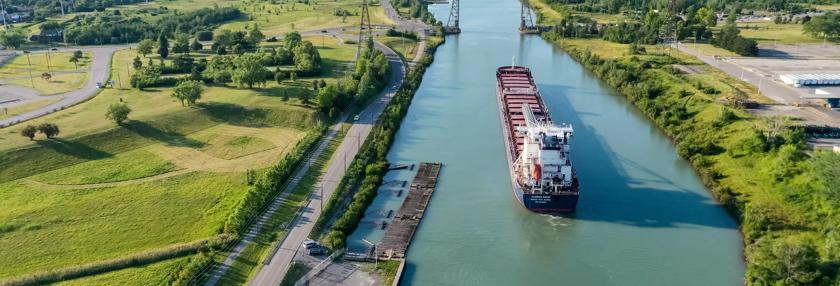
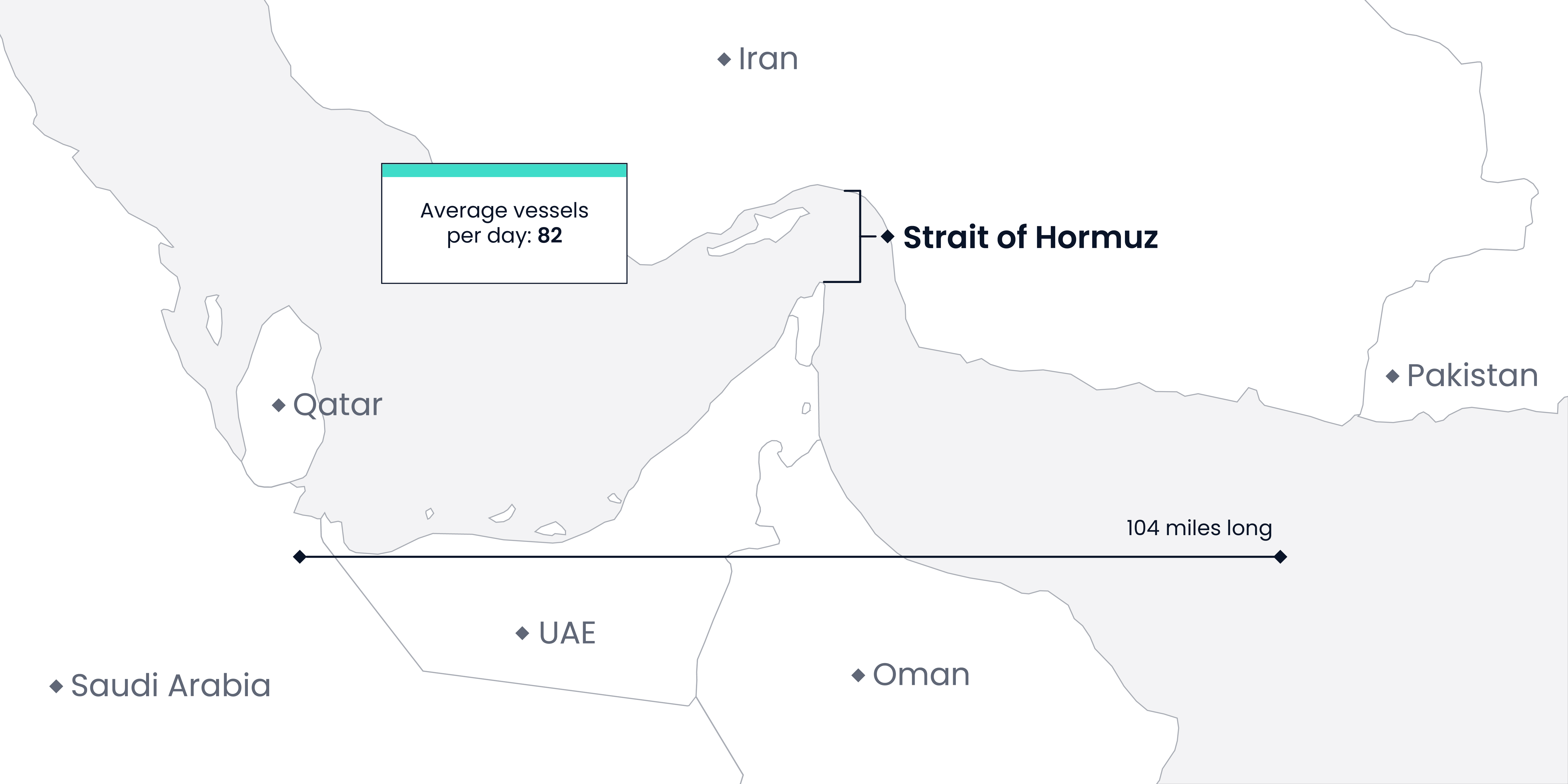
Strait of Hormuz
Around a quarter of the world’s seaborne oil supply, as well as about 20% of liquefied natural gas (LNG) exports, pass through the Strait of Hormuz, according to the International Energy Agency.1
The Strait of Hormuz has an extremely narrow chokepoint, with designated inbound and outbound lanes.
As the conflict in Iran continues, the strait has been the subject of numerous headlines. Tanker traffic has been interrupted following attacks on vessels in the Persian Gulf.
The volatility in energy and shipping markets caused by the conflict is likely to increase inflationary pressures beyond the energy sector. Higher war risk insurance costs and longer transit times caused by re-routing are among the secondary effects of this disruption.
Watch this video
|
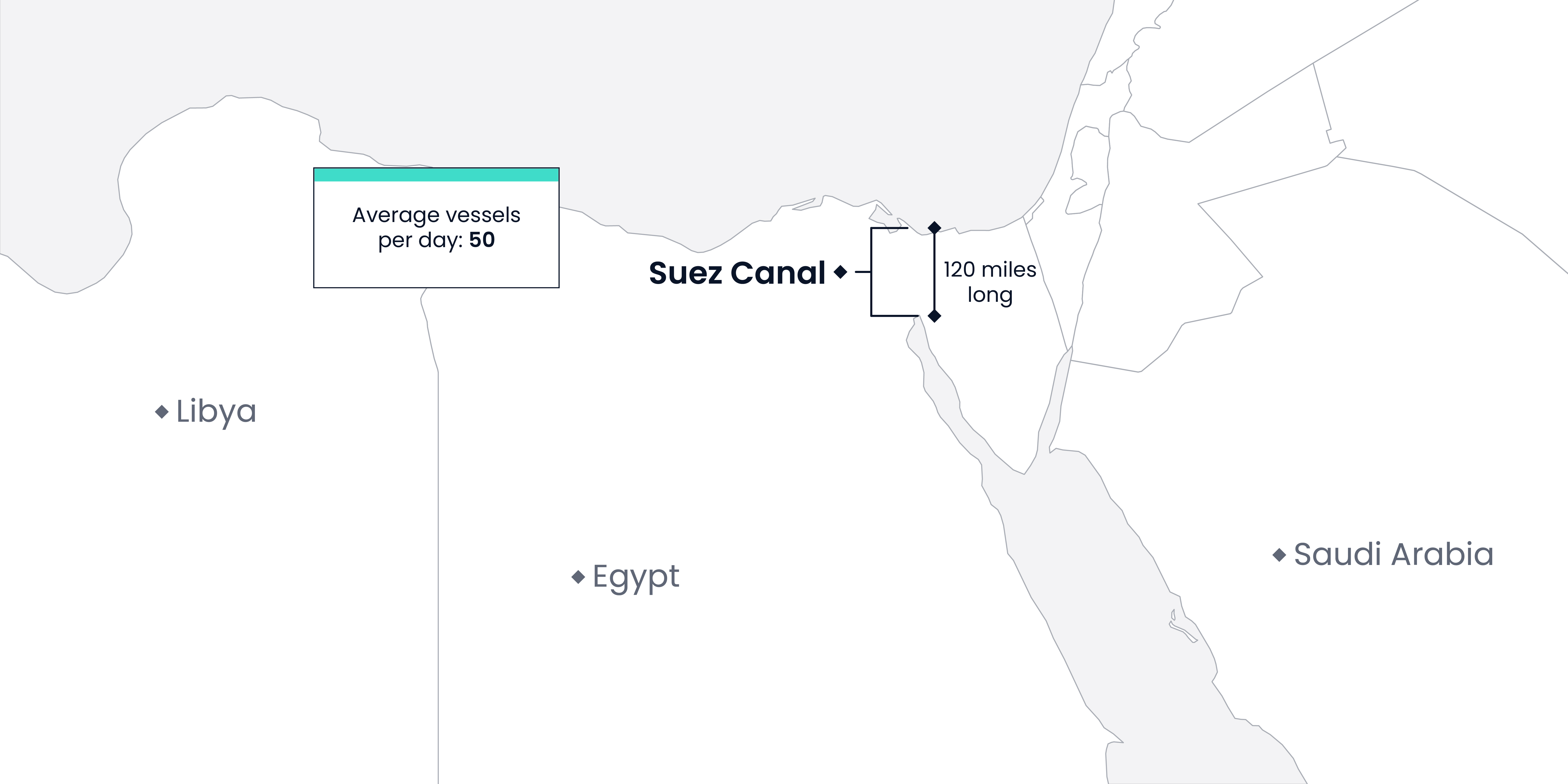
The Suez Canal
Located in Egypt, the Suez Canal connects the Mediterranean Sea to the Red Sea. In 2023, this canal recorded a daily average of 72 vessels, while last year this daily average declined to around 35 ships.2
The Suez Canal is extremely narrow, with its single lane sections periodically causing queues.
While the Strait of Hormuz dominates global oil transport, the Suez Canal handles a higher share of manufactured goods from Asia to Europe. Any disruptions to this route could have a major effect on retail prices.
This was the case five years ago, when the Suez Canal was blocked for six days by a stranded vessel.
The incident halted hundreds of ships, exposing the vulnerability of global trade. It delayed cargo worth around $10 billion per day.3
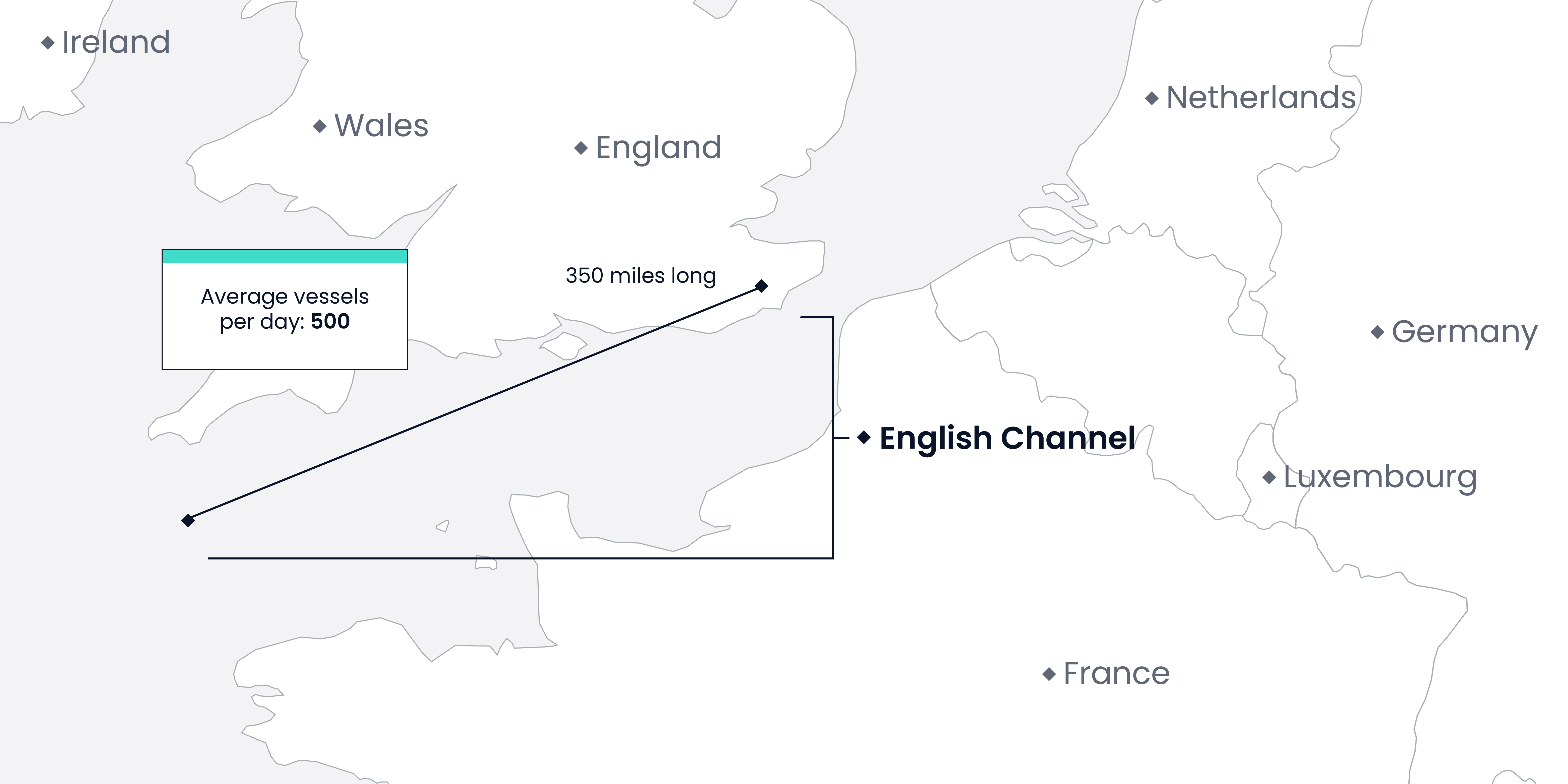
The English Channel
The English Channel is busiest shipping lane in the world – far busier than the Suez Canal and the Strait of Hormuz combined.
The Channel links the UK and France, has hundreds of ports along the coast and handles all types of cargo such as food, fuel and other goods.
The Malacca Strait
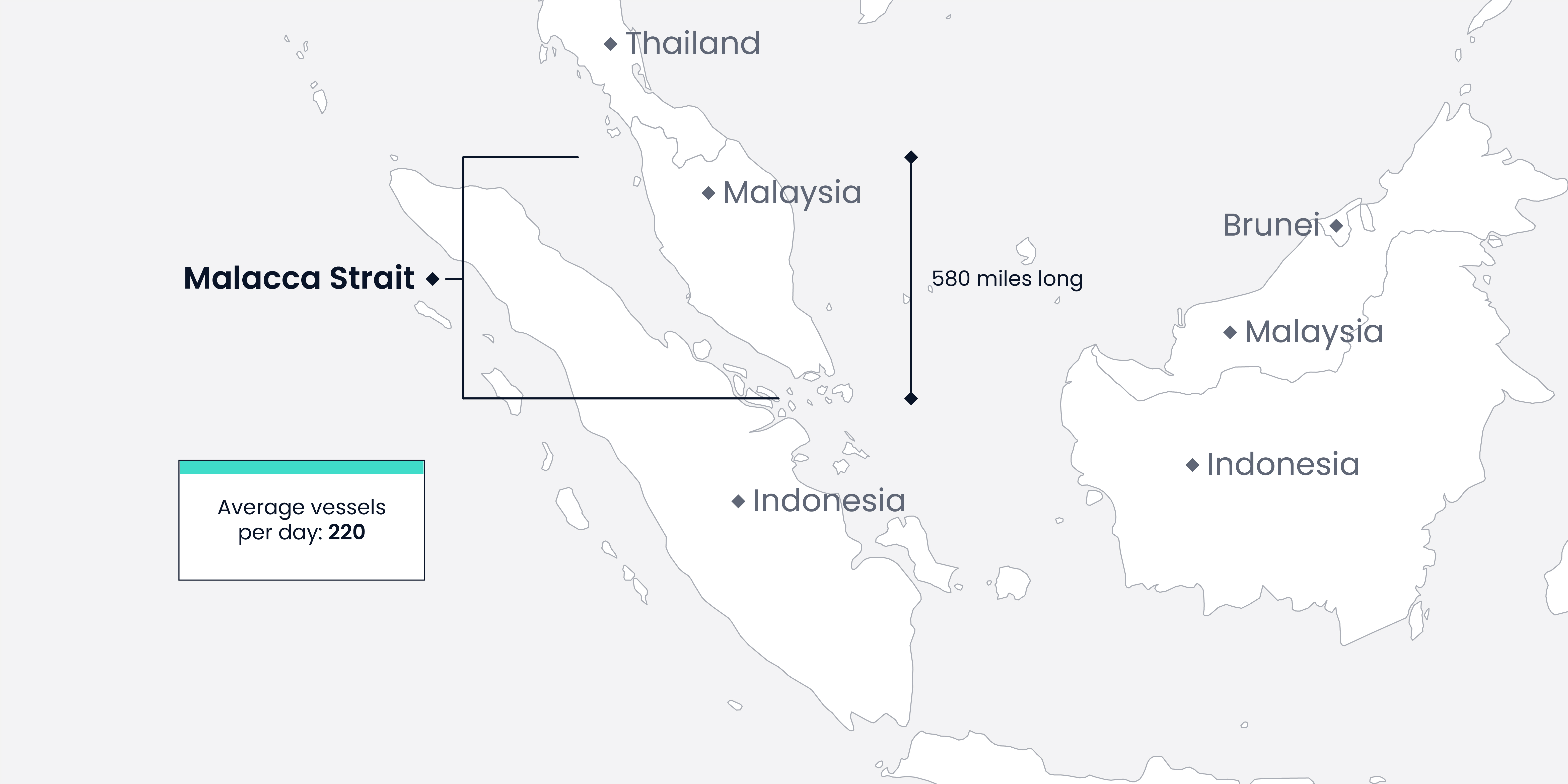
The Malacca Strait is the main shipping route between the Indian Ocean and the Pacific Ocean, situated between Indonesia’s Sumatra Island, the Strait of Singapore and the South China Sea.
Because it is one of the narrowest deepwater channels in the world, shallow waters limit the size of the passing vessels.
Oil from the Persian Gulf crossing this corridor makes it one of the busiest shipping lanes in the world. Roughly a quarter of global oil supply passes through this strait.
The Panama Canal
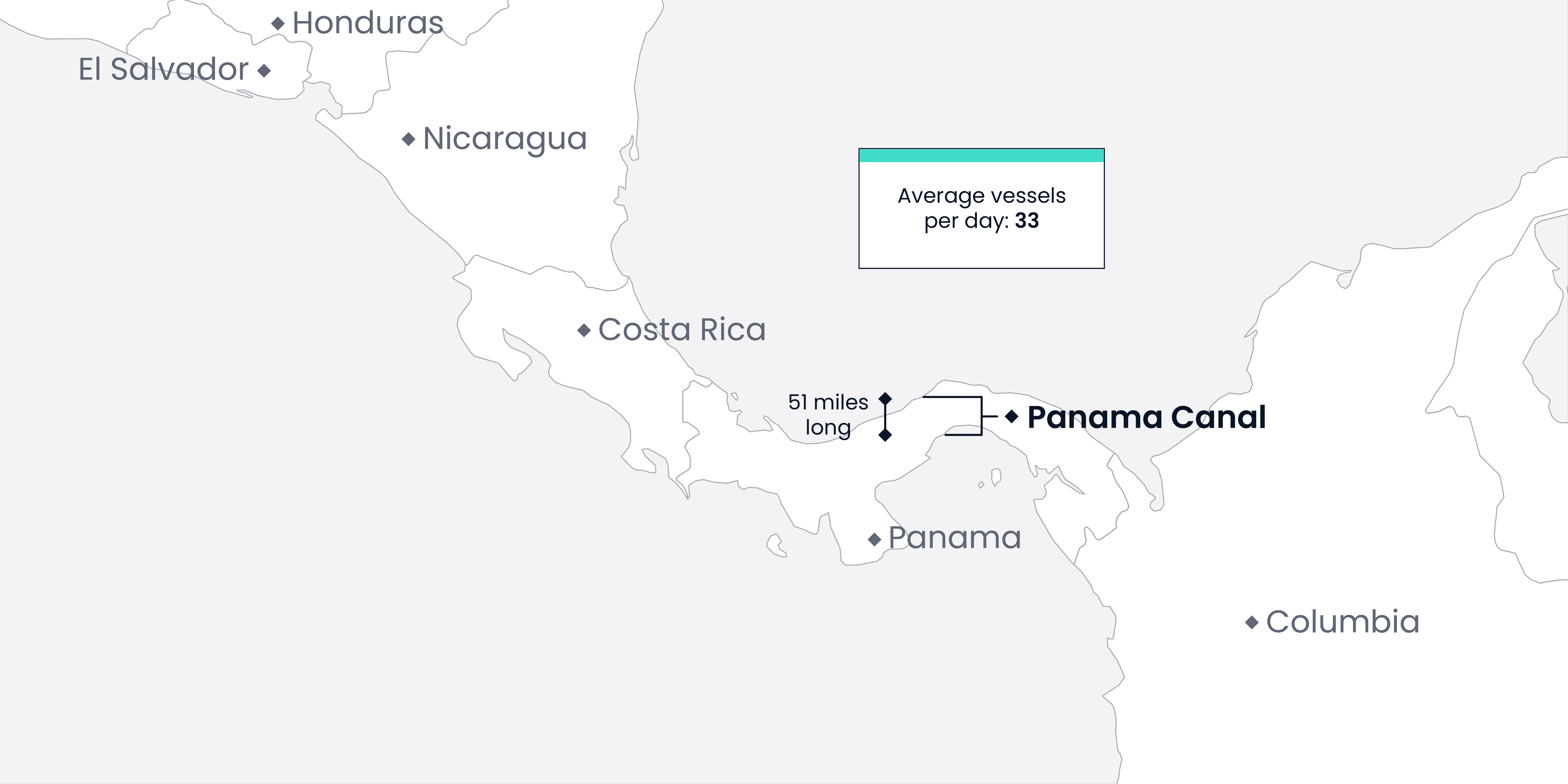
At just 51 miles long, the Panama Canal provides a shortcut between the Atlantic and the Pacific Ocean, cutting a 200-mile journey around the tip of South America short.
The canal uses a lock system, meaning that vessel movement is extremely tight. Lock systems increase the risk of bottlenecks and delays.
In the past few years, water shortages across the Panama Canal have reduced traffic capacity and caused delays.
The role of shipping
These routes are the backbone of global trade and each of these lanes face different vulnerabilities.
While the Strait of Hormuz is more exposed to geopolitical tension, the Suez Canal is more sensitive to accidents and bottlenecks due to its width, while the Panama Canal is prone to climate-driven drought.
The different challenges to which various shipping lanes are exposed make the global supply chain more able to absorb any shocks or disruptions. However, the effects of small interruptions across a single route could still ripple across supply chains and reach consumers quickly.
The location of these routes highlights how distant events, such as the conflict in Iran or the blockage in the Suez Canal, can quickly find their way into household budgets.
Sources
1International Energy Agency - February 2026
2Suez Canal Authority - accessed April 2026
3Review of Maritime Transport 2024, UN Trade & Development - accessed April 2026

Most popular articles



Most recent articles